
Occupational Health and Safety
OHS and Workers’ Compensation Support and Representation
Preventing, managing, defending: we step in where your OHS and workers’ compensation issues require progress, based on the urgency of the situation and your priorities.

Workplace injury management
Effective workplace injury management is not limited to challenges and appeals.
Under the Act respecting industrial accidents and occupational diseases (AIAOD), it relies on a tailored strategy, well-documented evidence, and interventions carried out at the right time.
We support employers and external OHS and workers’ compensation file managers in the strategic management of workplace accidents and occupational diseases:

- Challenging CNESST decisions, from the admissibility of an injury to issues of capacity or suitable employment;
- Support throughout the medical assessment process, including the coordination and completion of independent medical assessments;
- Preparing requests for cost transfer or cost sharing and addressing other allocation issues;
- Strategies that promote temporary assignment, return to work, and the worker’s sustainable reintegration;
- Support with accommodation obligations, including when a personal condition affecting employment is discovered;
- Management of labour relations issues that may arise during an active claim, particularly where questions of collaboration, credibility, compliance with obligations, or application of company policies must be addressed;
- Representation before administrative bodies and tribunals.
When the situation allows, we prioritize creative and pragmatic approaches to resolve disputes, promote satisfactory settlements, and protect the employer’s interests.
Proactive claims management can not only limit the financial impacts associated with a file, but also help reduce CNESST assessment costs, particularly under retrospective or personalized rate-setting plans.
Examples of strategic interventions
Initial assessment and action plan
- Assessing whether to challenge the admissibility of a claim and drafting the objection letter;
- Support during psychological harassment investigations that may lead to a workplace injury claim or to a complaint under labour standards legislation;
- Analyzing the circumstances surrounding an event to identify the evidence to obtain and the steps to take as soon as the file is opened;
- Assessing whether to implement certain investigation or verification measures where the circumstances warrant.
Management of medical evidence
- Determining the appropriate time to obtain an independent medical assessment;
- Selecting the expert best suited to the issues in the file;
- Drafting expert mandates and requests for supplementary reports from the treating physician;
- Analyzing medical reports, independent assessments, and specialized opinions;
- Providing strategic recommendations on the medical steps to take as the file evolves.
Medical assessment process
- Assessing whether to use the medical assessment process;
- Preparing the steps required before the Medical Evaluation Board (Bureau d’évaluation médicale – BEM);
- Drafting the procedures required to convene a BEM;
- Analyzing the compliance and findings of the BEM;
- Providing strategic recommendations on remedies and steps to take following the opinion issued.
Cost allocation and reduction
- Identifying opportunities to file a request for cost sharing or cost transfer;
- Drafting or reviewing requests for cost sharing or cost transfer;
- Obtaining and analyzing the documents needed to support these requests, including medical assessments and relevant financial data;
- Drafting expert mandates to document a pre-existing disability or any other situation that may justify a cost transfer;
- Implementing cost-reduction strategies tailored to the situation, including accelerating certain medical or diagnostic steps where appropriate.
Return to work and maintaining the employment relationship
- Developing strategies that support temporary assignment;
- Support during return-to-work and sustainable reintegration efforts;
- Support throughout the accommodation process and exchanges with the CNESST;
- Support in managing labour relations issues that may arise while a claim is active.
Credibility assessment
- Analyzing whether to implement a surveillance strategy;
- Drafting mandates related to the implementation of surveillance measures;
- Analyzing the evidence collected;
- Assessing the need to obtain an additional medical assessment to document certain inconsistencies or contradictions.
Trainings to go further
Here is an overview of the trainings you could take to improve your knowledge of workplace injury management.

CNESST classification and rate-setting
The classification assigned by the CNESST directly affects the amount of the assessment paid by the employer. Under the Act respecting industrial accidents and occupational diseases (AIAOD) and the Regulation respecting financing, this assessment is calculated based on a rate applicable to each $100 of payroll; a difference of a few dollars can represent significant costs for a business.
An incorrectly classified activity, an inadequate allocation of wages among several classification units, or the reclassification of self-employed workers can significantly increase the assessment. Conversely, a classification that reflects the company’s reality helps ensure that costs truly reflect the activities carried out.
Novare supports employers in analyzing their classification, applying exception units, allocating wages among different units, and during CNESST audits. The objective is simple: to ensure that the employer does not pay more than its operational reality justifies.
Trainings to go further
Here is an overview of the trainings you could take to improve your knowledge of CNESST classification and rate-setting.
Workplace prevention
Prevention is much more than a legal obligation arising from the Act respecting occupational health and safety (AOHS) and its regulations. It helps reduce accidents, protect workers, preserve expertise within the organization, and limit costs related to workplace injuries, absenteeism, and business interruptions.
Our multidisciplinary team combines an operational, human, and legal perspective on OHS. We help employers implement prevention measures suited to their reality while anticipating the consequences that today’s decision could have during a CNESST inspection, investigation, claim, or civil, penal, or criminal proceeding involving the company, its directors, or any other person in authority.
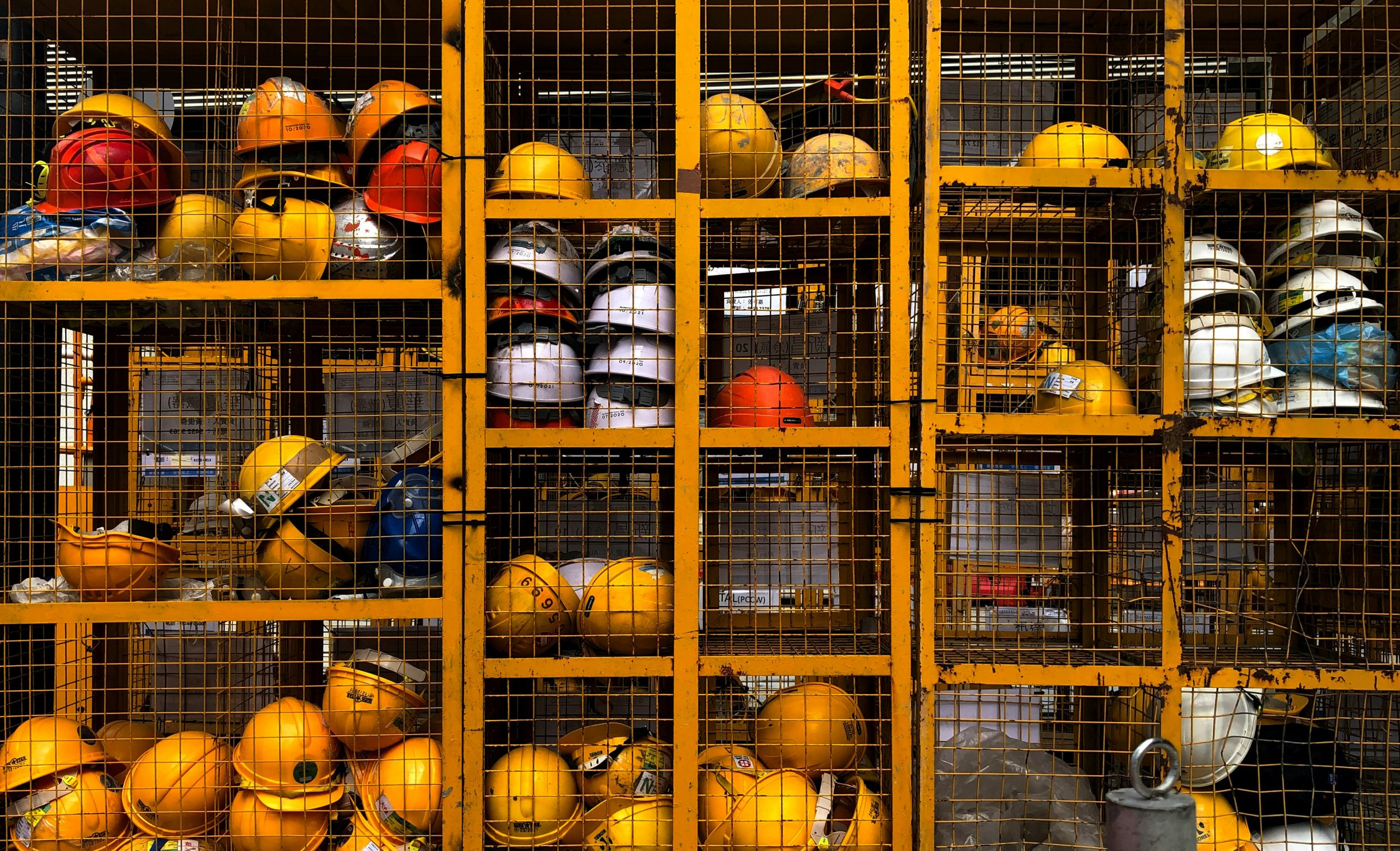
We take a progressive and pragmatic approach. Whether in a construction site, a manufacturing environment, a service business, or a remote-work organization, we develop realistic tools that can evolve with the company and its growth.
Our objective is simple: to implement measures that concretely improve worker safety, allow employees to return home healthy at the end of their day, and help the employer use its resources effectively while reducing human, operational, financial, and legal risks.
Examples of interventions
- Analyzing applicable legal obligations and establishing an action timeline to prioritize;
- Drafting rules governing the OHS committee, tailored to the company’s reality;
- Supporting the OHS committee in implementing good practices;
- Clarifying the roles, responsibilities, and accountabilities of managers, supervisors, OHS committee members, OHS representatives, and other persons in authority;
- Reviewing or drafting policies, procedures, prevention programs, and work methods;
- Support in identifying psychosocial risks and implementing appropriate control measures;
- Introducing and coordinating specialized experts to support the employer in resolving specific issues;
- Support during investigations and accident analyses;
- Preparation for CNESST inspections, investigations and interventions;
- Challenging work stoppages, workplace closures, and equipment sealing orders;
- Challenging statements of offence, inspection reports, and interpretations of the Act respecting occupational health and safety when the situation warrants;
- Strategic support in crisis situations following a serious accident, a CNESST intervention, or an event with a significant operational impact;
- Researching alternative measures where regulations or legislation allow for different approaches, and documenting the decision-making process to support the employer’s choices;
- Training for managers, supervisors, workers, and OHS stakeholders.
Trainings to go further
Here is an overview of the trainings you could take to improve your knowledge of occupational health and safety prevention.
A workplace accident, a CNESST claim or a prevention issue to address? The sooner we intervene, the sooner we can secure your process, structure your file and protect your interests.